


** NGN News Network
“Your exam is tomorrow. Have you revised everything?”
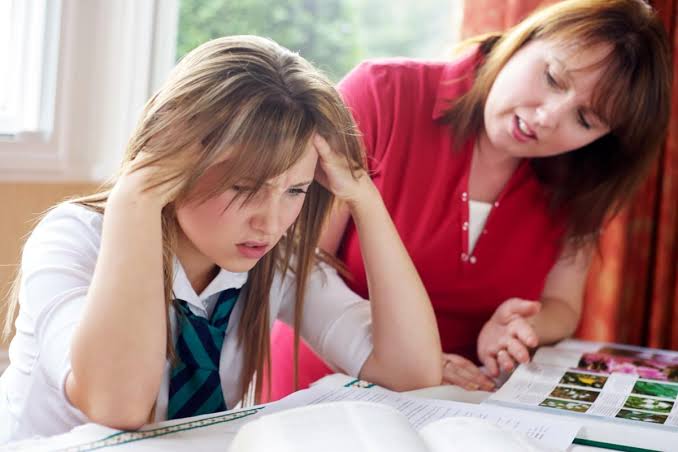
For many children, this begins another evening of anxiety and fear of not being good enough.
As examinations approach, homes become extensions of classrooms. Playtime becomes a reward, conversations become interrogations, and hours spent studying become the measure of preparation.
But here is the uncomfortable question: Are we preparing children to face examinations, or teaching them to fear failure?
Examinations matter. They assess learning. But when marks determine a child’s confidence and the family’s happiness, something has gone wrong. Education should prepare children to learn, think and grow—not simply avoid disappointing others. It should prepare them for life beyond examinations.
The Pressure We Create Without Realising
“Look how much your friend has studied.”
“After everything we have done for you, you must score well.”
Intended as motivation, these words may deliver another message: My worth depends on my performance.
Some become quiet or irritable; others study for hours without absorbing much. What looks like carelessness may be anxiety. Discipline matters, but when does it stop supporting learning and start feeding fear?
The Study Table Test: Is Learning Actually Happening?
A child studies for three hours. But can they explain a concept, apply it or identify what remains unclear?
Hours spent studying are visible. Understanding must be discovered.
Instead of asking, “How much have you completed?”, try, “What can you explain confidently? What is confusing? How will you tackle it?”
Students must take responsibility, too. Waiting for parents to remind them about every chapter, blaming distractions or studying only under pressure cannot build independence. They must plan, revise, seek help and assess their progress honestly.
Stop Comparing. Start Understanding.
Two children may study equally long yet achieve different results.
Comparison turns classmates into rivals and learning into a race where somebody must feel inadequate.
Instead of asking, “Why can’t you score like your friend?”, ask, “What made this topic difficult for you?”
Students should compare their progress with their own previous performance. Mistakes are signals to improve, not excuses to give up.
Teachers and Schools Matter, Too
Teachers shape examination experiences. Beyond completing the syllabus, they should check understanding, welcome questions and help students learn from mistakes. Constructive feedback shows students what to improve before examinations.
Schools should avoid unnecessary testing pressure, public ranking and damaging comparisons. They should set realistic expectations with parents and support struggling students. Classrooms should encourage effort, curiosity and progress—not make fear the price of achievement.
What Must Parents and Students Do—Starting Today?
Parents should create realistic schedules, encourage breaks and sleep, and discuss understanding rather than predict marks. Affection and respect must never depend on results.
Students should follow schedules, limit distractions, practise recall and ask questions. Independence means taking ownership, not avoiding accountability.
Parents provide guidance; teachers provide instruction and feedback; students must make consistent efforts, accept help and practise discipline. Each has a responsibility, and none can do another’s part.
An examination may determine a score, but its surrounding experience can shape how children approach future challenges. We cannot promise every result will be excellent. We can teach children that disappointment is a problem to solve, not a reason to feel worthless.
This examination season, before asking your child, “How many marks will you score?”, ask yourself: “Am I raising a child who knows how to learn—or one afraid of getting it wrong?”
Students, ask yourselves: “Am I taking responsibility for my learning, or waiting for someone else to push me?”
And schools, ask: “Are we assessing learning—or making children afraid to learn?”
By
Durga Deepak
Educational consultant
9011009794

Comments are closed.